

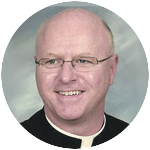
Msgr. Joseph Prior
(See the readings for the 16th Sunday in Ordinary Time)
“It’s a mixed up, muddled up, shook up world.” The line comes from the 1970 rock classic “Lola” by the Kinks. The song was written amid the turbulent changes of the late 1960s. The phrase could describe many periods over the last 2,000 years in different places and times.
Some would say the phrase aptly describes our own country now. It points to times where there is confusion and disagreement among peoples as to what is true and most valuable for a society and community. Many of the moral and ethical issues we face in societies today continue in an unresolved state that fuels division, anger and frustration among peoples.
Jesus speaks to us in the Gospel passage for this Sunday’s liturgy about living in this type of situation. In one sense it is nothing new. His words were spoken 2,000 years ago and found resonance in that society as they have ever since. He offers the parable of the weeds to help us face these situations. In the parable, the Sower plants wheat seeds in the field. Yet the evil one sneaks in at night and sows weeds among the good seeds. It is not known until they have started to grow that there are weeds among the plants.
When the servants ask if the weeds should be pulled, the master replies: “No, if you pull up the weeds you might uproot the wheat along with them. Let them grow together until harvest; then at harvest time I will say to the harvesters, ‘First collect the weeds and tie them in bundles for burning; but gather the wheat into my barn.’” At the end of the passage, Jesus offers an explanation of the parable.
He explains that the Sower of the wheat is the Son of Man (eschatological image for Jesus as judge in the final judgment): “The field is the world, the good seed the children of the kingdom. The weeds are the children of the evil one, and the enemy who sows them is the devil.” The harvest will be the final judgment where the wheat and weeds are separated, each receiving what justice demands.
While the parable does deal with the final justice (with God, not man, as judge), the emphasis seems to be on those who live now in such trying situations. This would be akin to the Parable of the Separation between the goats and sheep where the purpose is not as much as a future judgment as a motivation for the faithful to care for the poor and needy now.
The message of the Parable of the Weeds is to stay focused and committed to the Kingdom of God while living in a society, community or country where values opposed to those of the kingdom are accepted, lauded or even demanded. The key message here is perseverance: Keep the faith. Live as citizens of the Kingdom of God. Follow His way, not the way of men.
The message is not “live and let live” by any sense of the imagination, but rather one of focusing on the Gospel in the communion of the Church. Jesus will speak in other places about how to deal with evil in this world but His focus in this passage is perseverance and communion.
Perseverance is rooted in faith; and faith can transform not only the individual’s life but the community as well. The two parables that lie between the Parable of the Weeds and its explanation help to identify the source of strength for living in a mixed culture where values are in conflict.
The first is the Parable of the Mustard Seed. The mustard seed represents life in the kingdom. It is the smallest of seeds that is packed with life, and when it reaches maturity, it will be the largest of plants. Here we see an abundance of life that comes from the smallest seed. The plant is so large that it can provide refuge and shelter. The kingdom, hence the Church, is a refuge for all. Life in communion affords strength to keep to the way for we do not walk alone but together.
The second is the Parable of the Yeast. Here the yeast also represents the kingdom. This small amount of yeast can leaven a whole batch of wheat. The kingdom is realized and becomes visible when our lives reflect the inner disposition that God is our King and following His way is the path to life.
This does not mean that we are perfect and do not fail at times (there are remedies for this) but it does mean that we know, understand and believe that God’s way is the way to life and the way to live. Christians who have lived their lives like this are inspirational; and others will find their way to the kingdom through such witness. Hence the image of yeast raising the loaf.
The world we live in may be confusing, even chaotic, at times. It may feel like we’re living in “a mixed up, muddled up, shook up world.” As citizens of the Kingdom of God, Jesus navigates our course and leads us on our homeward journey. He encourages us to faithfulness and perseverance in the communion of the Church so that she can be a visible sign of the kingdom and a source of refuge for all on the journey.
***
Msgr. Joseph Prior is pastor of St. Dorothy Parish in Drexel Hill and a former professor of Sacred Scripture and rector of St. Charles Borromeo Seminary. Read more reflections by Msgr. Prior here.
PREVIOUS: Parable Instructs: Prepare ‘Good Soil’ of Our Hearts, Receive God’s Word
NEXT: Patience With Others and Ourselves Allows Grace to Take Effect
Share this story