

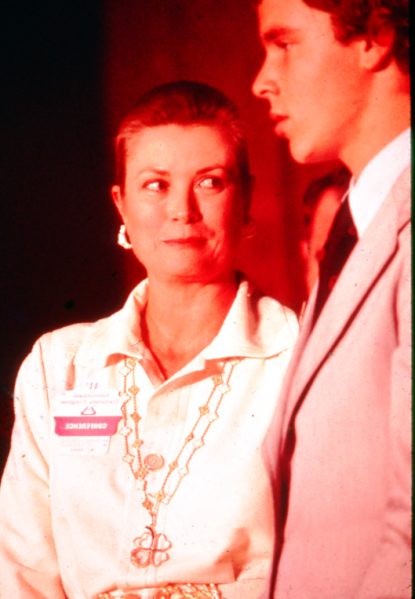
Princess Grace Kelly of Monaco attends the 41st International Eucharistic Congress in Philadelphia in 1976. Grace and Prince Rainier III were among the notable international guests who participated in the weeklong gathering of Catholics from around the world. (Catholic Historical Research Center of the Archdiocese of Philadelphia)
In addition to the numerous pilgrims at the 41st International Eucharistic Congress in Philadelphia in 1976, there were also a number of recognizable attendees who addressed the crowds during various parts of the week.
St. Teresa of Calcutta and Servant of God Dorothy Day were panelists on a conference on Women and the Eucharist, although both were at first reluctant to speak because of their dislike of public speaking.
St. Teresa spoke of how we do not know or see the poor, whether it be in the streets of Calcutta or in our own homes, and that to address it “love must begin in our hearts, (and) our homes.”
Cardinal Karol Wojtyla, the future Pope St. John Paul II, gave the homily at the Mass for Freedom and Justice in Veterans Stadium. There he spoke of the importance of freedom, especially the lack of it in Communist Poland. He said that “love leads the way to the fullest use of liberty” and that “freedom has been given to man in order to love.”
Before the start of the Statio Orbis Mass at JFK Stadium, President Gerald Ford gave a speech to the 100,000 people in attendance. He spoke of the importance of freedom, saying that “fundamental freedoms are written in our hearts.” He further discussed the role of the Church in working for peace, and said the Church “has been a vital intuition for protecting and proclaiming the ultimate values of life itself.”
The congress was even attended by many secular leaders such as Prince Rainier III and Princess Grace Kelly of Monaco. They gave the keynote at the plenary session of an all-day conference on family life. Prince Rainier stressed that the “family is where a child feels secure” and that one’s faith is the cement that keeps a family together.
In Princess Grace’s speech, she said, “the role of wife and mother is probably more difficult today than ever before … it is immeasurably more complex. Yet, essentially, it is the same as it has always been — to keep the family together, to provide a link between generations.”
In addition to the major Masses and symposiums, the congress paid special attention to art as a means of reflecting and highlighting the themes of the congress. An exhibit held at the Civic Center featured 350 works of liturgical art by 180 different artists. The entries ranged from ancient masterpieces to modern works commissioned especially for the congress.
Since music was an important part of the congress, a National Choir and Orchestra was established and led by Dr. Peter LaManna, director of Liturgical Music for the Archdiocese of Philadelphia. It was made up of 750 members from the Delaware Valley with an additional 350 coming from around the country. The choir would perform at 14 of the congress’s sponsored liturgies.
Performing art also made up a large number of the events for the congress. Featured were both established plays such as “A Man for All Seasons” to new shows such as “Foolsgold,” a mime performance by the students of Niagara University at Old St. Joseph’s Church.
Since there was no recording of most of the various performances, photos are the only way to experience that unique theatrical production.
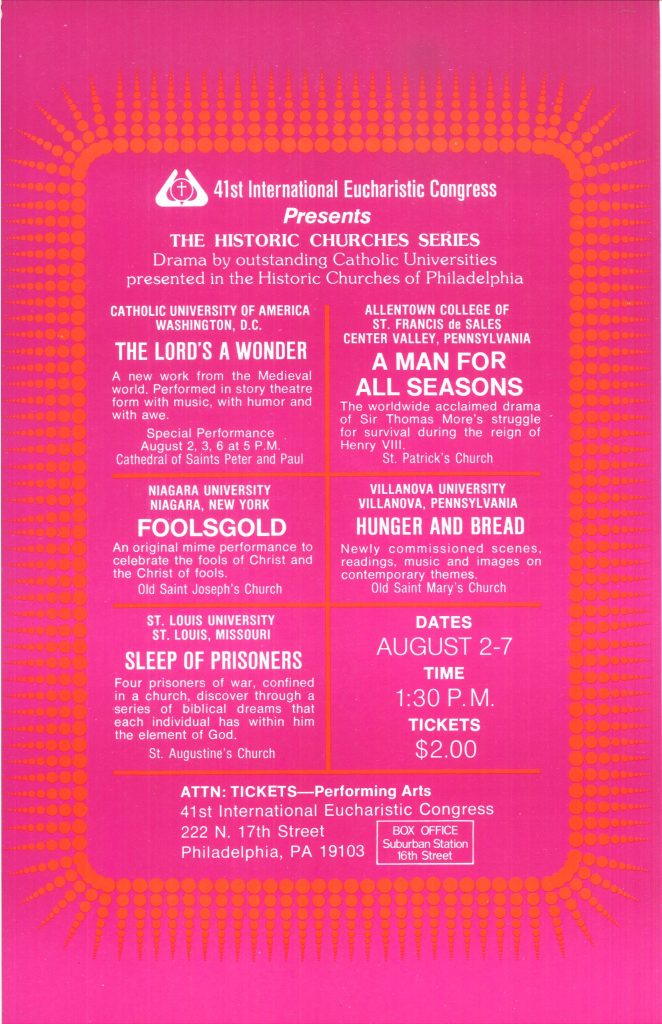
(Photos: Catholic Historical Research Center of the Archdiocese of Philadelphia)
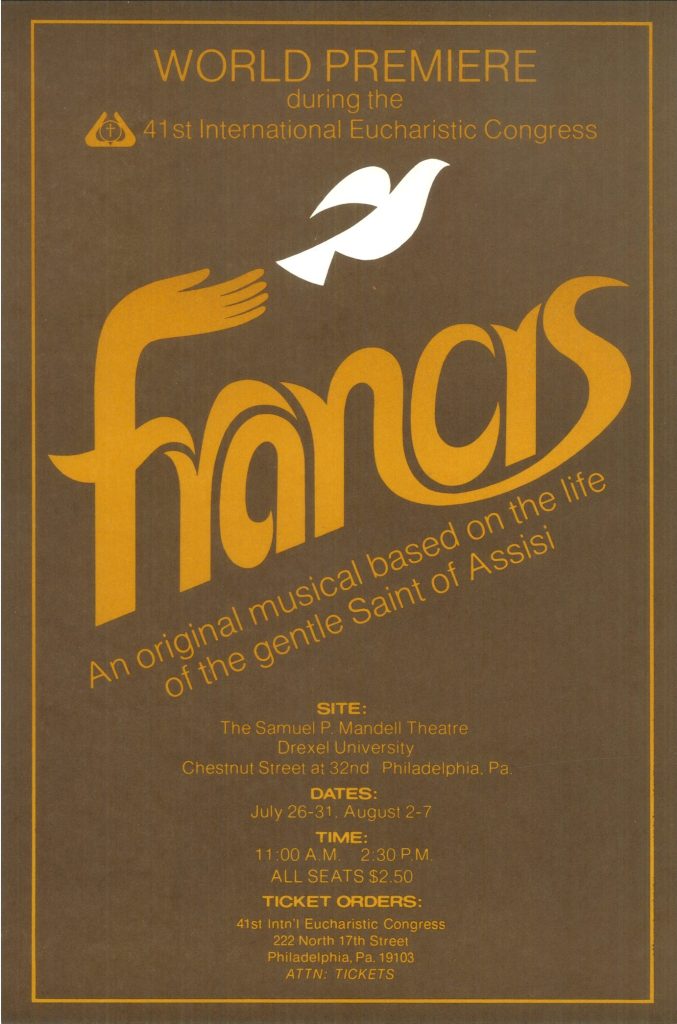
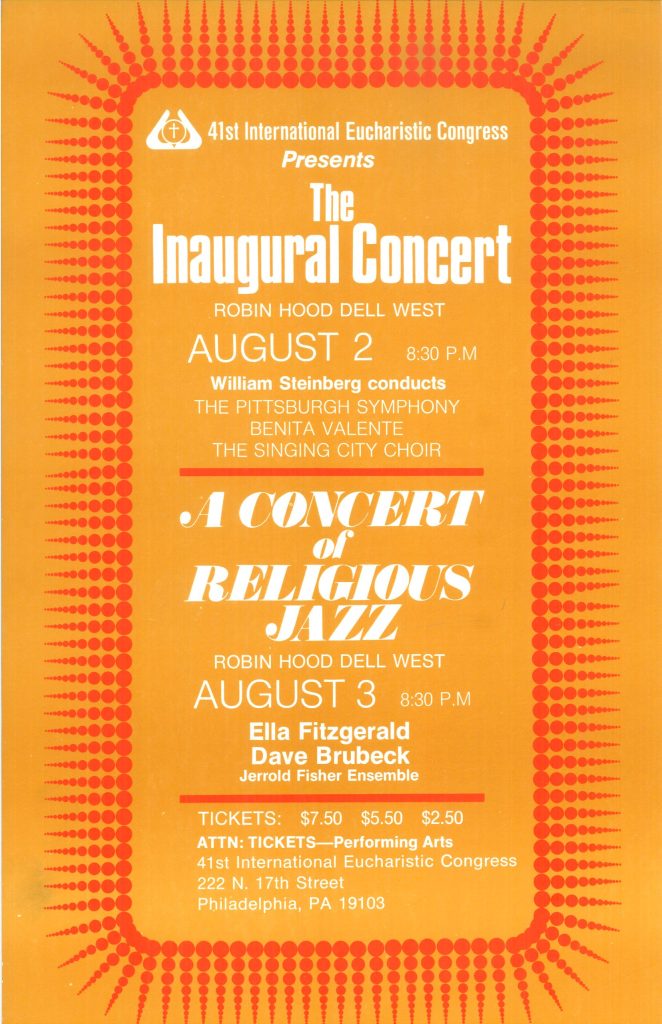
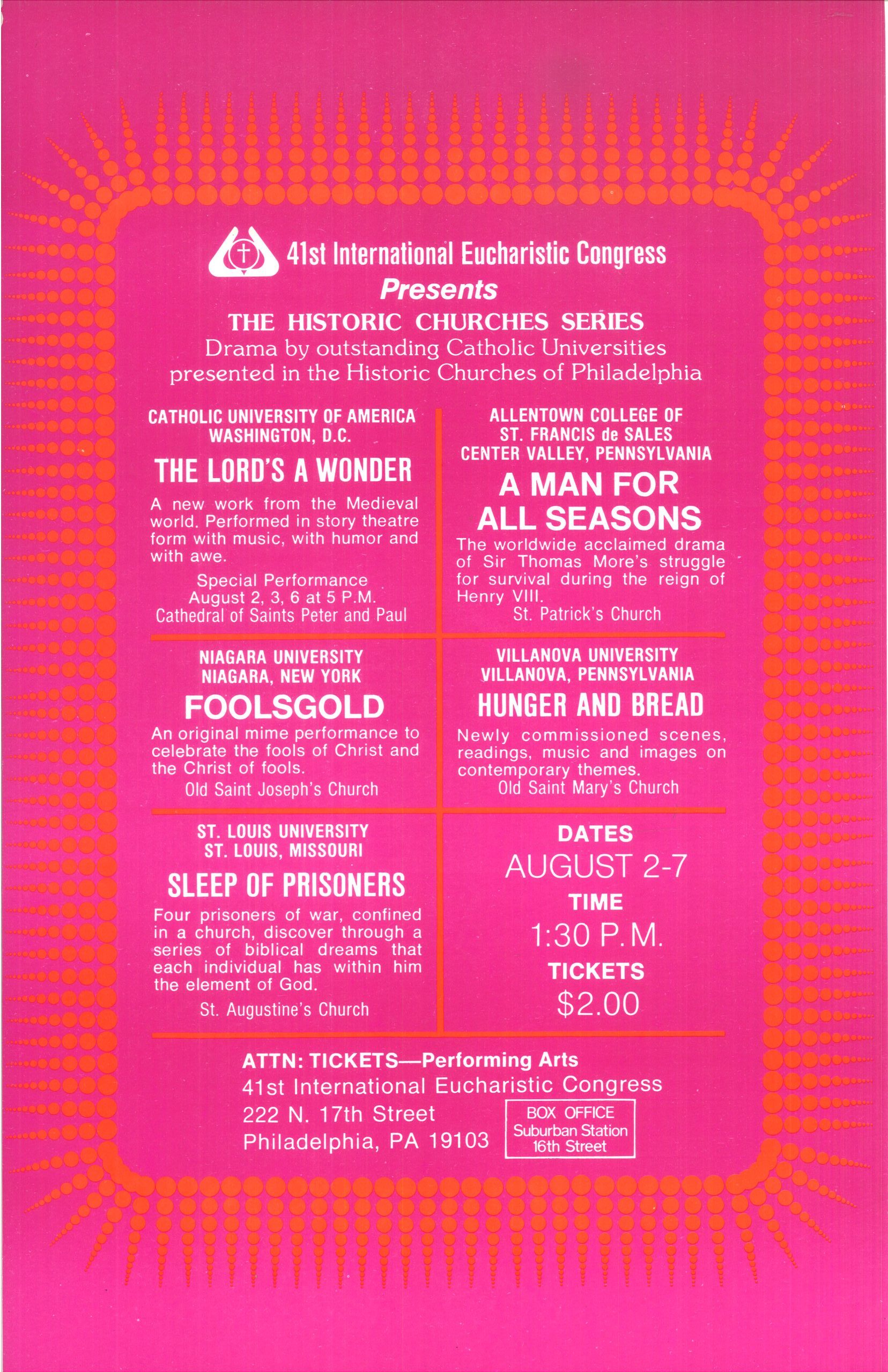
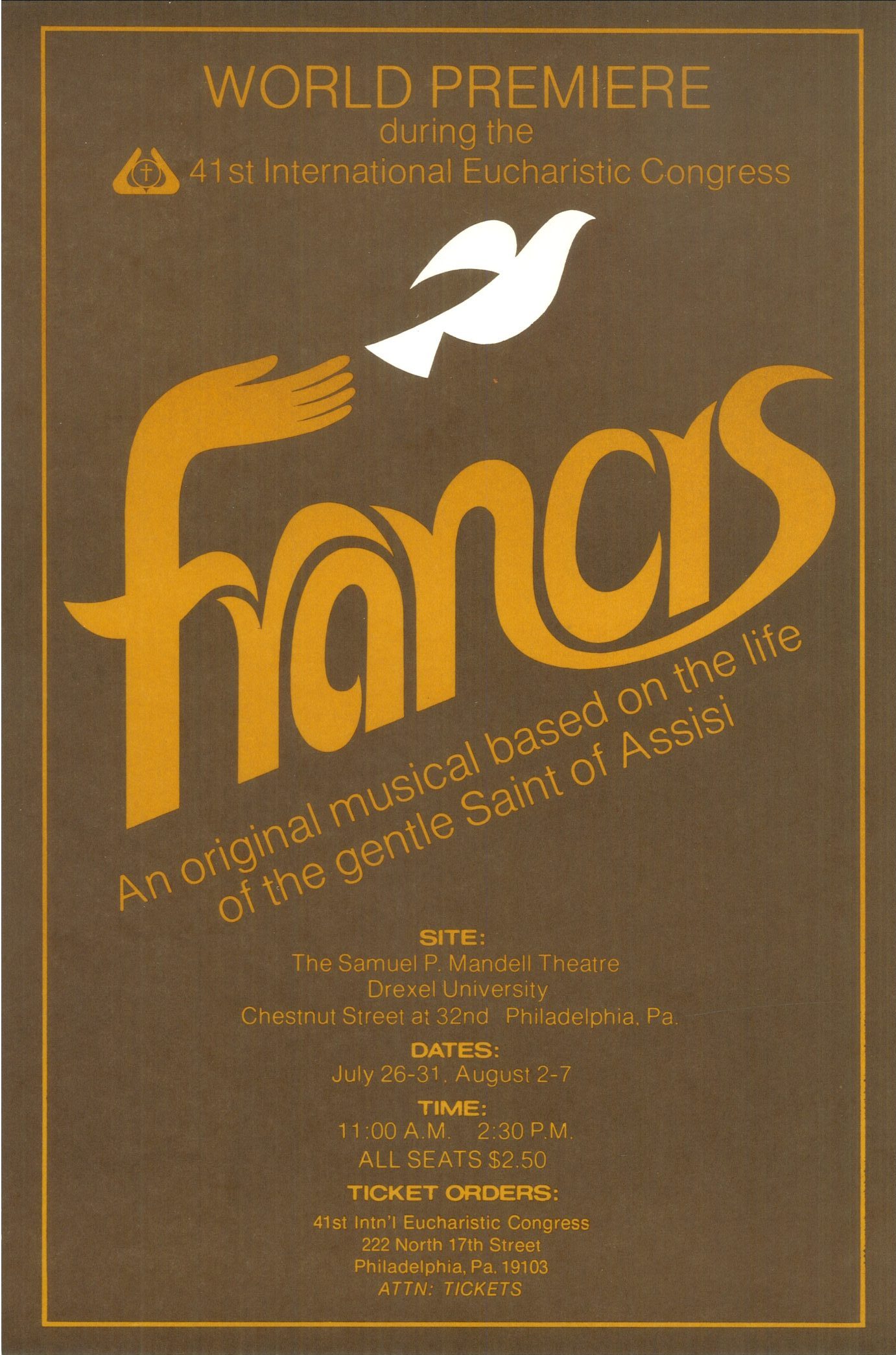
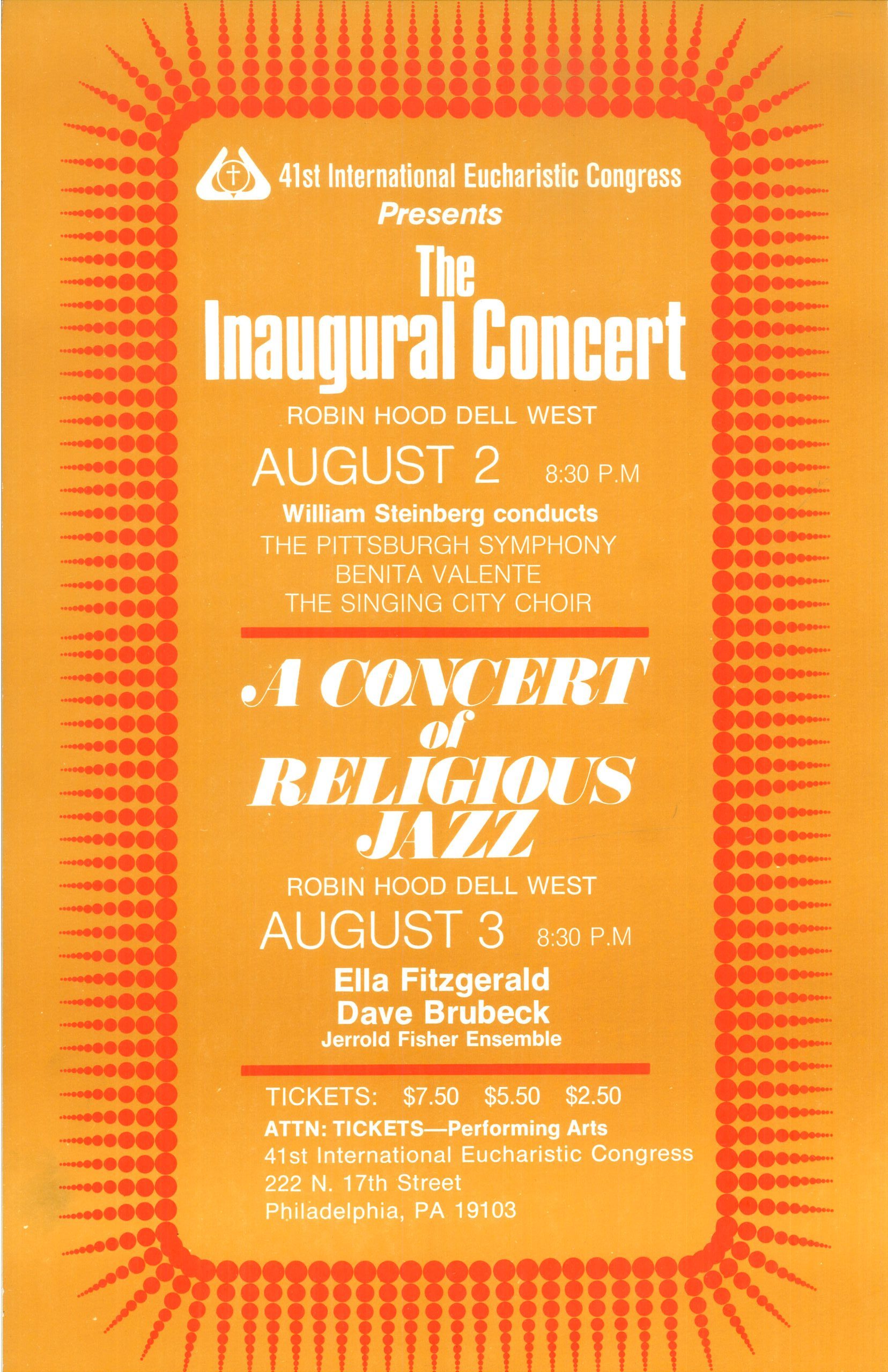
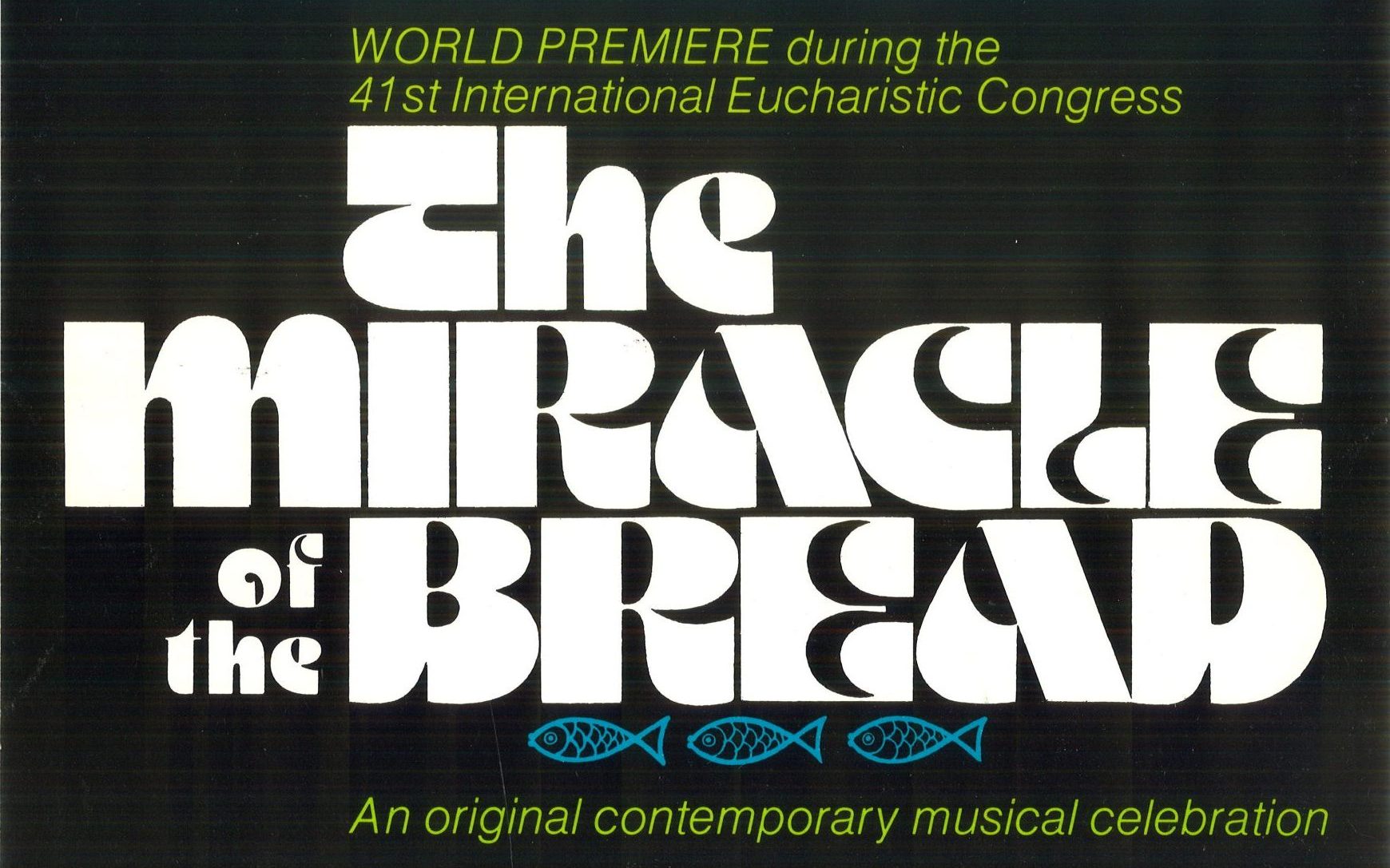
While there was hope that the art program would be a revenue generating aspect of the congress, it did not perform as well as anticipated. Some shows did well such as the Historic Church Series or “Godspell.”
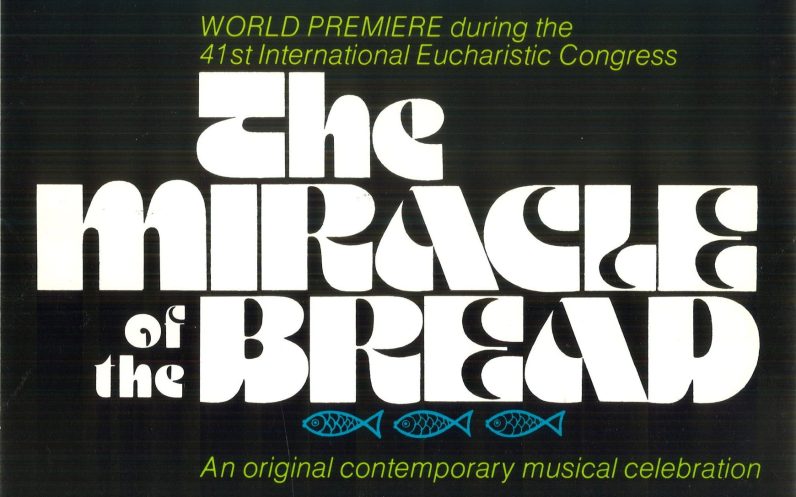
Some of the larger and more expensive productions, however, did not draw the crowds. “Miracle of the Bread” over its week run had seating for 48,000 people but only 9,000 came, and the Dance Theatre of Harlem had capacity for 20,000 but only 3,800 came for its two performances.
***
Patrick Shank is archivist of the Catholic Historical Research Center of the Archdiocese of Philadelphia and serves on the board of the American Catholic Historical Society.
PREVIOUS: Despite Controversies and Costs, Eucharistic Congress Left Strong Legacy
NEXT: Long History, Much Planning, Preceded Eucharistic Congress in Philadelphia
Share this story